

Praktijkverhalen


0 reacties

8x viewed
Will animals still play a role in the food system of the future? Yes, say thirty farmers. But in a very different way to how they do now.
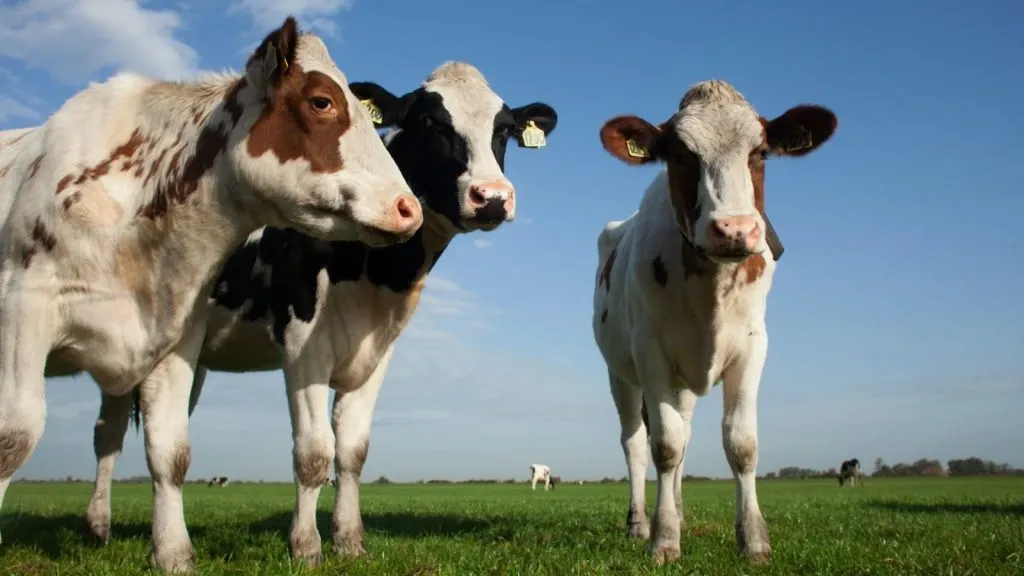
‘You can’t just tell livestock farmers: get rid of those animals and start growing pulses instead. That might be good for the climate, but the reality is far too complex for that.’
However, that does not mean that livestock farming is fine as it is at present, says Marin Vandamme. According to the founder of The Protein Project, there is no doubt that animals will continue to be part of our food system in the future. And so we cannot talk about the future of food without also discussing livestock farming. But in a sustainable food system, that livestock farming will look quite different from how it does now.
How? This is set out in a new report that Vandamme wrote together with her colleague Manon Schots: Livestock Reimagined.
The livestock farming of the future
Livestock farming seems to be a perfect mood-killer at family gatherings: there are few sectors that are the subject of so much debate. Critics point to the manure surplus and animal cruelty, whilst supporters highlight the important role of farmers in culture and food supply and are – let’s be honest – simply attached to their piece of meat.
Yet one need not exclude the other. In the space between factory farming and a fully vegan world, there are many alternatives. Even most climate scientists and environmental activists who advocate a drastic reduction in the consumption of animal products do not envisage a completely plant-based diet. The consensus: (much) less animal protein of better quality.
Farmers across Europe are already demonstrating what this might look like. Vandamme, who trained as a business economist, interviewed thirty of them for a new report by The Protein Project, which outlines what future-proof livestock farming could look like.
Take, for example, the Dutch farmer Ruben Exterkate, who drastically reduced the number of pigs in his stables and switched to organic farming. Then there is Zoltán Lengyel from Hungary, who grows his own animal feed and sells the meat himself, at higher margins. Or Elias Gellweiler’s farm-and-restaurant in Portugal, where the dishes are sourced from the land and food scraps are fed back to the animals.